
you the spreadsheet person?
you have to see this screenshot


Someone built a 47-tab spreadsheet and I can’t stop thinking about it:
Last week, I was on a sales call with a VP at a mid-sized insurance firm.
He shared his screen to show me their quarterly reporting process.
47 tabs.
Each one color-coded. Cross-referenced. Dependent on data from at least three other tabs.
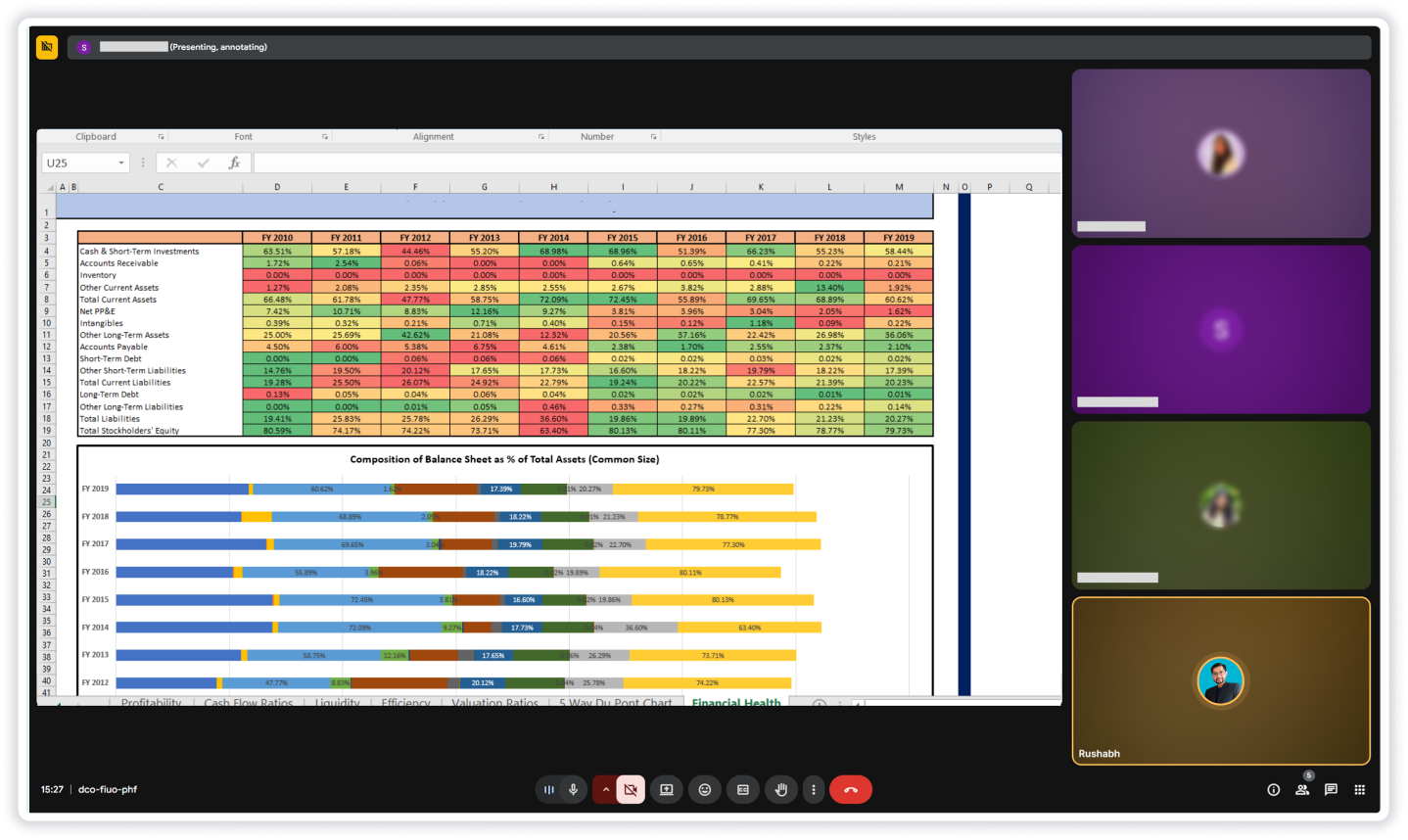
“I know it looks complicated,” he said, “but once you understand the logic, it makes perfect sense.”
That’s exactly what everyone says right before their spreadsheet breaks.
I’ve heard this line maybe fifty times now. And every single time, the same pattern plays out.
How We Got Here
Here’s how it always starts.
You need to track Q1 invoices. 10 rows. A few formulas. Done in 20 minutes.
Then Q2 arrives. You add another tab instead of rethinking the structure.
Someone needs year-over-year comparisons. Another tab with a pivot table.
By Q4, you’re maintaining a 47-tab monster that only you understand.
And you’re spending 8-10 hours every quarter just keeping it alive.
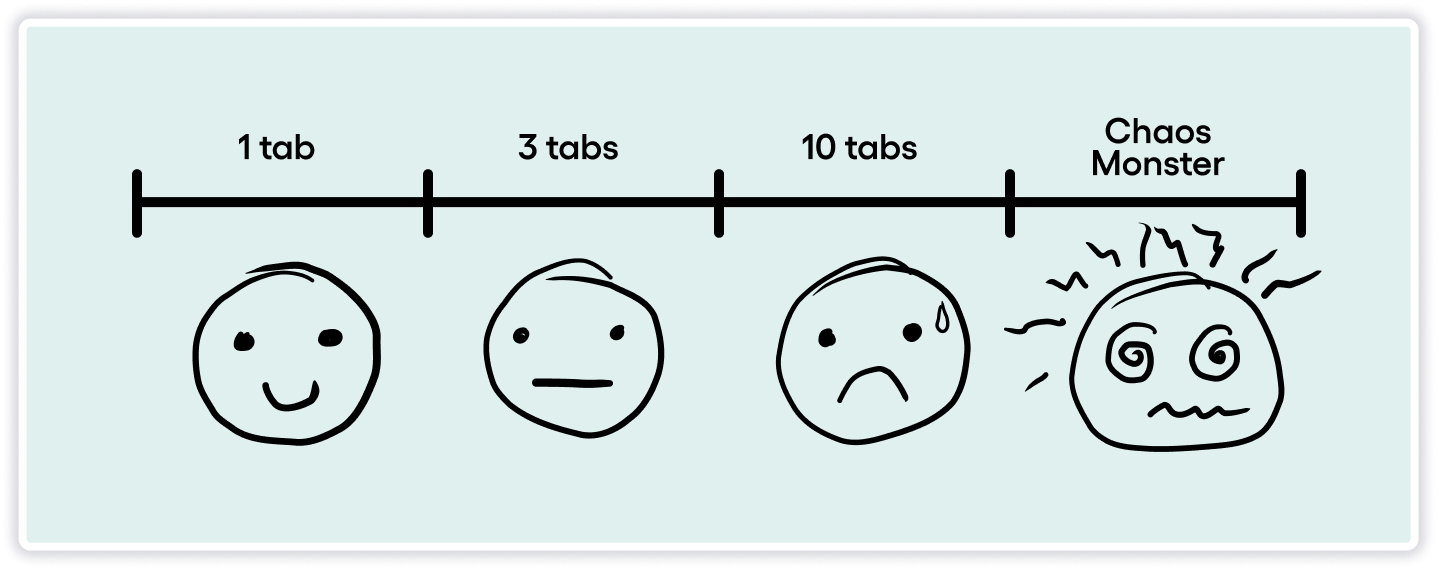
Research analyzing 15,000 Excel spreadsheets found that 24% contained formula errors. Another survey revealed 33% of large UK businesses reported poor decision-making due to spreadsheet problems.
JP Morgan lost $6 billion partly because someone divided by sum instead of average in a spreadsheet.
TransAlta spent $24 million on what their CEO called “literally a cut-and-paste error.”
These companies had smart people.
Good processes.
The documentation chaos just outgrew its purpose.
How does this happen?
That VP I mentioned?
He spends 8-10 hours quarterly maintaining his spreadsheet.
Updating references.
Fixing broken links.
That’s not counting his team’s time feeding data into it.
TLDR: he’s become the “spreadsheet person.”

You know the type.
The one person who built the system. The one everyone’s terrified will quit or go on vacation.
Research shows 94% of financial spreadsheets contain errors.
Last month, I worked with an accounting team processing 3,000+ bank statements monthly across 50+ layouts.
Five people spent their entire day extracting data from PDFs and entering it into spreadsheets.
By the time it was 6 pm, they were only halfway done.
Over 6,000 hours per month on just moving data from one place to another.
When they automated the document workflow - processing speed went up by 10x and error rate dropped to nearly zero; ensuring the organization makes accurate accounting decisions.
It costs real money
Those quarterly maintenance hours compound.
The institutional knowledge locked in one person’s head.
The 3 AM panic when formulas break before a board meeting.
And here’s the part that haunts me: when 94% of spreadsheets contain errors, you’re probably working with bad data right now.
You just don’t know where the mistakes are.
Think about the decisions you made last quarter.
Was your data clean?
How would your choices change if you discovered a formula error tomorrow?
My two cents
I’m not telling anyone to abandon spreadsheets.
They’re brilliant for quick calculations, scenario modeling, and analysis.

But there’s a difference between using a spreadsheet and being held hostage by one.
I think there’s a need to remove the need for them to be the single source of truth.
Let documents flow into systems automatically.
Let data be validated at entry.
Let spreadsheets be where humans add judgment, not where they spend hours copying and pasting.
The tragedy is that all that intelligence is trapped in a system requiring constant manual feeding to stay alive.
Until next week,
Rushabh
P.S. If you’re thinking “wait, my spreadsheet only has 43 tabs,” I’d love to hear about your setup. What’s working? What’s breaking? Hit reply and let me know. I read every response.